Balcony Waterproofing Beaumaris: Signs Your Balcony Needs Waterproofing
A balcony is a valuable part of any home. It creates an outdoor area for relaxing, entertaining guests, and enjoying fresh air. However, balconies are constantly exposed to rain, sunlight, wind, and temperature changes. Over time, this exposure can weaken tiles, grout, joints, drainage points, and the waterproofing system beneath the surface.
When balcony waterproofing begins to fail, the damage may not be immediately visible. Small cracks or minor water stains can eventually lead to serious moisture problems, damaged ceilings, mold growth, and expensive structural repairs.
If you are unsure whether your balcony needs attention, understanding the warning signs can help you act before the problem becomes more complicated. Professional balcony waterproofing can help identify the cause of water penetration and restore the protection your balcony needs.
Why Balcony Waterproofing Is Important
Balcony waterproofing is designed to prevent water from passing through the tiled surface and entering the underlying structure. Although tiles and grout provide some surface protection, they are not the main waterproof barrier.
The waterproofing membrane beneath the tiles helps protect:
- Concrete slabs and structural materials
- Internal ceilings and walls
- Rooms located beneath the balcony
- Door frames and wall junctions
- Timber and metal components
- Insulation and other building materials
When the membrane becomes damaged or deteriorates, water can move into hidden areas. The first visible sign may appear inside the home rather than on the balcony itself.
A waterproofing problem should therefore be treated as more than a cosmetic concern. Early inspection and repair can help reduce the risk of long-term damage.
Signs Your Balcony May Need Waterproofing
Several warning signs may indicate that your balcony is no longer properly protected against water. Some signs are easy to notice, while others may only become visible after heavy rainfall.
1. Water Stains on the Ceiling Below
A brown, yellow, or damp patch on the ceiling beneath your balcony is one of the clearest signs of water penetration. The stain may appear after rain or become more noticeable during wet weather.
Water does not always enter directly above the visible stain. It can travel through concrete, insulation, joints, and other materials before appearing inside the property. This means the location of the stain may not identify the exact source of the leak.
If you notice ceiling discoloration, peeling paint, or damp plaster, arrange an inspection rather than simply repainting the affected area.
2. Cracked or Deteriorating Grout
Grout between balcony tiles can crack, crumble, or become loose as the surface ages. These gaps may allow water to pass beneath the tiles and reach the waterproofing layer.
Minor grout damage does not always mean the entire balcony needs to be waterproofed again. However, widespread cracking or repeated grout failure may indicate movement, moisture exposure, poor drainage, or an ageing waterproofing system.
Replacing grout without checking the underlying surface may only provide a temporary improvement.
3. Damaged Silicone and Sealant
Silicone is commonly used around balcony doors, wall junctions, expansion joints, balustrades, and other connections between different materials. Over time, sealant can shrink, split, peel away, or lose its flexibility.
These small gaps can become entry points for rainwater. The risk is especially high around door thresholds and areas where the balcony connects with the building.
Damaged sealant should be repaired promptly, but it is important to determine whether the problem is limited to the joint or connected to a larger waterproofing failure.
4. Loose, Hollow, or Lifting Tiles
Tiles that sound hollow when tapped, move underfoot, or begin lifting from the surface may indicate moisture beneath them. Water can weaken the adhesive or affect the substrate below the tiles.
Loose tiles can also create additional gaps where water may enter. If several tiles are affected, the issue may be more extensive than a simple tile repair.
A professional can assess whether the tiles can be replaced individually or whether the underlying waterproofing and substrate require more comprehensive work.
5. Water Pooling After Rain
A properly designed balcony should direct water towards a suitable drainage outlet. If water remains on the surface for a long time after rainfall, there may be an issue with the balcony’s fall, drainage, surface condition, or waterproofing.
Persistent pooling can place additional pressure on tile joints, sealants, and surface cracks. It may also increase the chance of water entering areas around doors and walls.
Blocked drains should be cleared first, but recurring pooling should be professionally assessed to identify the underlying cause.
6. Mould or Musty Smells
A musty smell around the balcony, nearby walls, or the room below may indicate trapped moisture. Mould can develop when water remains in hidden areas for an extended period.
Visible mould should not simply be cleaned and ignored. If the moisture source is not addressed, mould and dampness may return.
An inspection can help determine whether the moisture is coming from the balcony, an adjoining wall, a drainage issue, or another part of the building.
7. Peeling Paint or Damaged Plaster
Peeling paint, bubbling surfaces, flaking plaster, or soft areas on the ceiling below the balcony can be signs of ongoing water penetration.
These problems often appear after the moisture has already travelled through the structure. Repairing the internal surface without fixing the balcony waterproofing may result in the damage returning.
The source of the water should be addressed before repainting or replacing damaged plaster.
Common Causes of Balcony Waterproofing Problems
Balcony waterproofing can fail for several reasons. Some problems develop gradually due to age and weather exposure, while others may be caused by incorrect installation or previous repair work.
Common causes include:
- Ageing or damaged waterproofing membranes
- Cracked tiles and grout
- Failed silicone around doors and wall junctions
- Poor balcony drainage
- Blocked drainage outlets
- Movement between different building materials
- Incorrect surface falls
- Temperature changes and weather exposure
- Inadequate preparation during installation
- Damage caused by drilling or renovations
Identifying the correct cause is essential. Applying a surface coating may not solve the problem if water is entering through a failed membrane or damaged structural joint.
Why DIY Waterproofing May Not Solve the Problem
There are many DIY products available, including sealants, liquid coatings, grout repair products, and waterproofing paints. These products may be useful for minor maintenance, but they are not always suitable for repairing a failed balcony waterproofing system.
A balcony waterproofing problem may involve several layers beneath the tiles. If the membrane has failed, applying a coating over the existing surface may only hide the issue temporarily.
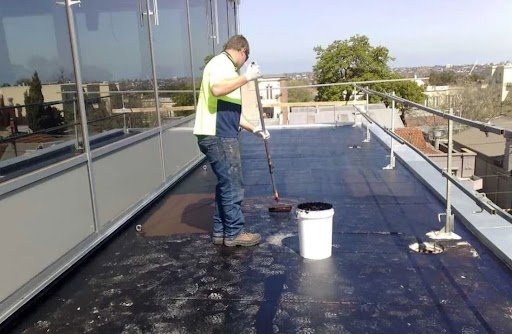
Professional waterproofing work usually involves inspecting the tiles, grout, drainage, joints, door thresholds, substrate, and membrane. This allows the repair method to be based on the actual cause of the water penetration.
What Happens During a Professional Waterproofing Inspection?
The exact process depends on the balcony’s condition and construction. A professional may begin with a visual inspection to identify obvious signs of damage.
The assessment may include:
- Checking tiles, grout, and surface cracks
- Inspecting silicone and sealant joints
- Examining drainage outlets and water flow
- Checking the balcony’s surface fall
- Inspecting door thresholds and wall junctions
- Looking for signs of moisture beneath the surface
- Assessing the condition of the existing waterproofing
- Determining whether localized repairs or full replacement are required
In some cases, only a small area may need repair. If the waterproofing system has failed across a larger section, tiles and other surface materials may need to be removed before a new membrane is installed.
Balcony Repair or Complete Waterproofing Replacement?
Not every balcony requires complete waterproofing replacement. The appropriate solution depends on the age of the balcony, the extent of the damage, and the condition of the existing membrane.
A localized repair may be suitable when:
- The problem is limited to one damaged joint
- A small section of sealant has failed
- Only a few tiles are damaged
- The waterproofing membrane remains in good condition
- The leak has not caused widespread moisture damage
More extensive work may be required when:
- Water penetration continues after previous repairs
- Several areas of the balcony are affected
- The membrane has deteriorated
- Tiles are lifting across a large section
- The substrate has been damaged
- Drainage problems are contributing to the leak
- The balcony has been repeatedly repaired without lasting results
A professional should explain the recommended repair method, expected preparation work, and long-term benefits before work begins.
Benefits of Professional Balcony Waterproofing
Professional balcony waterproofing can help protect your property from ongoing moisture damage. Proper waterproofing may also improve the durability and usability of the balcony.
The main benefits include:
- Reduced risk of water entering the building
- Protection for ceilings, walls, and rooms below
- Lower chance of mould and dampness
- Improved durability of tiles and joints
- Better drainage and water flow
- Reduced risk of expensive future repairs
- Improved property maintenance and presentation
- Greater confidence in the condition of the balcony
A properly waterproofed balcony is not only more attractive but also better protected against Melbourne’s changing weather conditions.
How to Maintain Your Balcony After Waterproofing
Regular maintenance can help extend the life of your balcony waterproofing system. Keep drainage outlets clear of leaves, dirt, and other debris. Check the grout, silicone, tile edges, and door thresholds for signs of cracking or deterioration.
After heavy rain, look for water pooling or slow drainage. Inside the property, pay attention to new ceiling stains, damp smells, peeling paint, or mould near the room below the balcony.
Small issues should be addressed quickly. A damaged sealant joint or cracked tile may appear minor, but repeated water entry can eventually cause more serious damage.
Avoid drilling into the balcony surface without professional advice, as this may damage the waterproofing membrane beneath the tiles.
When Should You Contact a Professional?
You should arrange a professional inspection if you notice water stains, cracked grout, damaged sealant, loose tiles, mold, peeling paint, or water pooling after rain.
You should also seek professional advice if:
- A previous repair has failed
- The balcony continues leaking during rainfall
- The room below feels damp
- Several tiles are lifting
- Water is entering around balcony doors
- The balcony has not been inspected for many years
Acting early can make the repair process simpler and may help prevent damage from spreading into the structure of the property.
Final Thoughts
Balcony waterproofing problems should never be ignored. What begins as a small crack, damp smell, or loose tile can develop into significant water damage if the underlying issue is not repaired.
Recognizing the warning signs and arranging a professional inspection can help protect your home, reduce future repair costs, and extend the life of your balcony.
If your balcony is showing signs of water penetration, professional balcony waterproofing Beaumaris can help identify the cause and recommend a suitable long-term solution.