Best Practices for Waterproofing in Melbourne’s Climate
Have you ever woken up to find a mysterious damp patch spreading across your ceiling? Or maybe you’ve noticed that musty smell creeping through your bathroom that just won’t budge? If you’re a Melbourne homeowner, chances are you’ve experienced at least one water-related headache. But here’s the thing – most of these problems are completely preventable with the right approach to waterproofing.
Melbourne’s weather is famously unpredictable, and this creates unique challenges for property owners. One minute you’re enjoying glorious sunshine, the next you’re caught in a downpour that would make a tropical storm jealous. This constant weather rollercoaster puts enormous pressure on your home’s defences against moisture. Without proper waterproofing, you’re essentially leaving your biggest investment vulnerable to damage that can cost thousands to repair.
In this guide, we’ll walk you through everything you need to know about protecting your Melbourne property from water damage. You’ll learn how to spot early warning signs, understand the best waterproofing methods for our climate, and discover whether DIY makes sense or if you should call in the professionals. Plus, we’ll cover costs, contractor selection, and maintenance tips to keep your waterproofing working for years to come. Let’s get stuck into it.
Understanding Melbourne’s Unique Climate Challenges
The Four Seasons in One Day Phenomenon
Melbourne’s reputation for delivering four seasons in a single day isn’t just a running joke – it’s a genuine challenge for building materials. Temperature swings can cause materials to expand and contract repeatedly, weakening seals and creating gaps where water can sneak through. This thermal cycling puts constant stress on your waterproofing system in near me.
The rapid changes between hot and cold, wet and dry, mean that standard waterproofing solutions designed for more stable climates often fall short here. Melbourne properties need waterproofing that can handle this constant movement without cracking or losing adhesion. It’s why choosing the right system matters so much in our part of the world.
Heavy Rainfall Patterns and Flooding Risks
When Melbourne decides to rain, it really commits. Our storm events can dump enormous amounts of water in short periods, overwhelming drainage systems and testing every weak point in your home’s defences. Areas like basements, garages, and ground-floor rooms are particularly vulnerable during these intense downpours.
Climate patterns have also become less predictable in recent years. What used to be seasonal rainfall now arrives more sporadically, with longer dry spells followed by intense wet periods. This means your waterproofing needs to perform perfectly even after months of dormancy.
How Humidity Affects Building Materials
Beyond direct rainfall, Melbourne’s humidity levels create ongoing challenges. High moisture in the air can gradually penetrate porous building materials, leading to problems like mould growth, timber rot, and deteriorating plaster. Bathrooms and laundries are especially susceptible due to the steam they generate daily.
The humidity also creates condensation issues, particularly in poorly ventilated spaces. This trapped moisture can cause just as much damage as a leak, slowly degrading materials from the inside out without any obvious external signs until significant damage has occurred.
What Is Waterproofing and Why Does It Matter?
The Basics of Waterproofing for Homeowners
At its core, waterproofing is about creating barriers that prevent water from penetrating your home’s structure. Think of it as an invisible shield protecting your walls, floors, and foundations from moisture damage. Modern waterproofing involves specialised membranes, coatings, and sealants applied to vulnerable areas.
Proper waterproofing does more than just keep water out. It protects your home’s structural integrity, prevents mould and mildew growth, maintains healthy indoor air quality, and preserves your property’s value. When done correctly, it’s one of the best investments you can make in your home.
How Do I Know If My Property Needs Waterproofing?
Warning Signs of Water Damage to Watch For
Catching water problems early can save you thousands in repair costs. Keep an eye out for bubbling or peeling paint, which often indicates moisture trapped behind surfaces. Discoloured patches on walls or ceilings are another red flag that water is finding its way where it shouldn’t be.
Musty odours are a telltale sign of hidden moisture problems, even when you can’t see visible damage. Warped timber, cracked tiles, and efflorescence (that white powdery substance on masonry) all point to ongoing water issues that need addressing promptly.
DIY Inspection Tips for Melbourne Homeowners
You don’t need professional equipment to spot potential problems. Start by checking around windows and doors for gaps or deteriorating seals. After heavy rain, inspect your ceilings and walls for any new marks or stains that weren’t there before.
In wet areas like bathrooms, look for grout that’s cracking or discoloured, tiles that feel loose underfoot, or silicone sealant that’s pulling away from edges. Check your balcony for standing water that doesn’t drain properly. These simple inspections, done regularly, can help you catch problems before they become costly repairs.
Best Waterproofing Methods for Melbourne Properties
Membrane Waterproofing Solutions
Sheet membranes are one of the most reliable options for Melbourne homes. These pre-formed barriers, typically made from modified bitumen or synthetic materials, provide consistent thickness and excellent durability. They’re particularly effective for larger areas like roofs and below-ground applications.
The main advantage of membrane systems is their proven track record. When properly installed, they create a continuous barrier with minimal weak points. However, they require skilled installation, particularly around corners and penetrations where leaks commonly occur.
Liquid Applied Waterproofing Systems
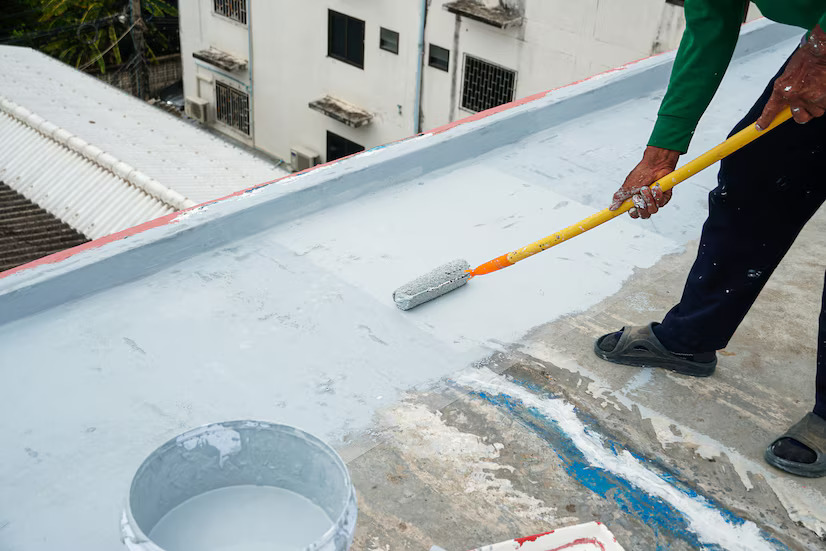
Liquid systems have become increasingly popular due to their versatility. Applied by brush, roller, or spray, they cure to form a seamless, flexible membrane that follows complex shapes easily. This makes them ideal for bathrooms, balconies, and areas with lots of detail work.
Modern liquid membranes offer excellent elasticity, allowing them to stretch and move with Melbourne’s temperature fluctuations without cracking. They’re also quick to apply and can often be walked on within hours, minimising disruption to your daily routine.
Cementitious Waterproofing Options
For areas constantly exposed to moisture, cementitious waterproofing offers a robust, rigid solution. These cement-based products bond directly to concrete surfaces and are particularly effective for water tanks, swimming pools, and basement walls.
While less flexible than membrane alternatives, cementitious systems are extremely durable and can handle significant water pressure. They’re also easier to apply than some alternatives, making them a cost-effective choice for appropriate applications.
Which Waterproofing Method Is Best for Bathrooms?
For most Melbourne bathrooms, liquid applied membranes are the go-to choice. They conform easily to shower recesses, floor wastes, and wall junctions where leaks commonly start. Australian Standards require specific membrane coverage in wet areas, and liquid systems make achieving this coverage straightforward.
The flexibility of liquid membranes is particularly valuable in bathrooms, where slight building movement is common. Combined with proper surface preparation and quality installation, they provide reliable protection for years.
Can I Do Waterproofing Myself or Should I Hire a Professional?
When DIY Waterproofing Makes Sense
Minor repairs and maintenance tasks are reasonable DIY projects for handy homeowners. Re-siliconing shower screens, applying waterproof sealant to small gaps, or touching up existing membranes are manageable with the right products and careful preparation.
However, DIY should be limited to non-critical areas and minor touch-ups. The consequences of failed waterproofing – structural damage, mould problems, and expensive repairs – far outweigh any savings from cutting corners on important work.
Why Professional Waterproofing Is Worth the Investment
For any significant waterproofing project, professional installation is strongly recommended. Licensed waterproofers understand Australian Standards requirements, have access to professional-grade materials, and provide warranties on their work. In wet areas like bathrooms, DIY waterproofing may even void your home insurance.
Professionals also spot problems that untrained eyes miss. They’ll identify underlying issues, prepare surfaces correctly, and ensure complete coverage without weak points. This expertise is invaluable when protecting your home against Melbourne’s challenging conditions.
Choosing a Reliable Waterproofing Contractor in Melbourne
Questions to Ask Before Hiring
Start by asking about their experience with Melbourne conditions specifically. Request references from recent local projects and don’t hesitate to follow up with previous clients. Ask what products they recommend and why – knowledgeable contractors can explain their choices clearly.
Discuss warranties thoroughly. Understand exactly what’s covered, for how long, and what might void the warranty. Get detailed written quotes that specify materials, preparation work, and application methods.
Certifications and Licences to Look For
In Victoria, waterproofing contractors should hold appropriate building licences. Look for membership in industry bodies like the Australian Institute of Waterproofing, which indicates commitment to professional standards. Product-specific certifications from manufacturers also demonstrate expertise with particular systems.
Always verify insurance coverage, including public liability and professional indemnity. This protects you if anything goes wrong during or after the project.
Protecting Your Melbourne Property for the Long Term
Melbourne’s unique climate demands a proactive approach to waterproofing. From the four-seasons-in-one-day temperature swings to intense storm events, your home faces constant challenges that standard approaches simply can’t handle. Understanding these challenges is the first step toward effective protection.
The key takeaway? Don’t wait for problems to appear before taking action. Regular inspections, prompt repairs, and quality waterproofing installations will save you money and stress in the long run. Whether you’re building new, renovating, or maintaining an existing property, making waterproofing a priority is one of the smartest decisions you can make.
Your home is likely your biggest investment, and protecting it from water damage is absolutely worth the effort. Start by inspecting your property using the tips we’ve covered, address any warning signs promptly, and when it’s time for professional work, choose your contractor carefully. With the right approach, you’ll enjoy a dry, healthy home for decades to come – regardless of what Melbourne’s weather throws at you.