5 Tips for a Stress-Free Electrical Safety Assessment
Have you ever wondered what happens during an electrical safety assessment? Are you worried about what an electrician might find lurking behind your walls? Perhaps you’re not even sure if you need one in the first place?
You’re definitely not alone. Many Australian homeowners and business owners feel a bit anxious when it comes to electrical inspections. The good news? With the right preparation and knowledge, the whole process can be surprisingly straightforward. An electrical safety assessment is essentially a thorough check-up of your property’s electrical system. It identifies potential hazards, ensures everything meets current Australian standards, and gives you peace of mind that your home or workplace is safe.
In Australia, electrical safety assessments are particularly important for landlords, property managers, and business owners. They’re also highly recommended before purchasing a property, after renovations, or if your electrical system is more than 25 years old. Throughout this guide, we’ll walk you through five practical tips to make your next electrical safety assessment as smooth as possible. From understanding what’s involved to taking action afterwards, we’ve got you covered.
Understanding What an Electrical Safety Assessment Involves
What does an electrician check during a safety inspection?
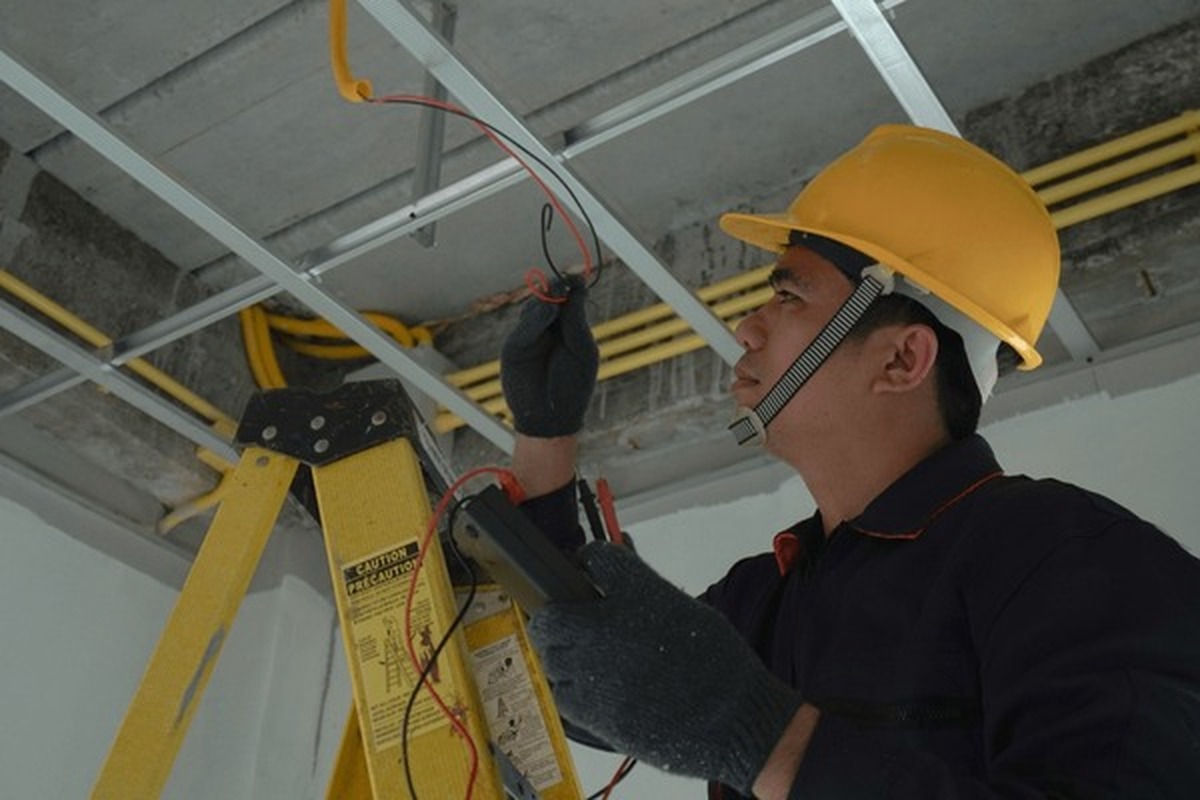
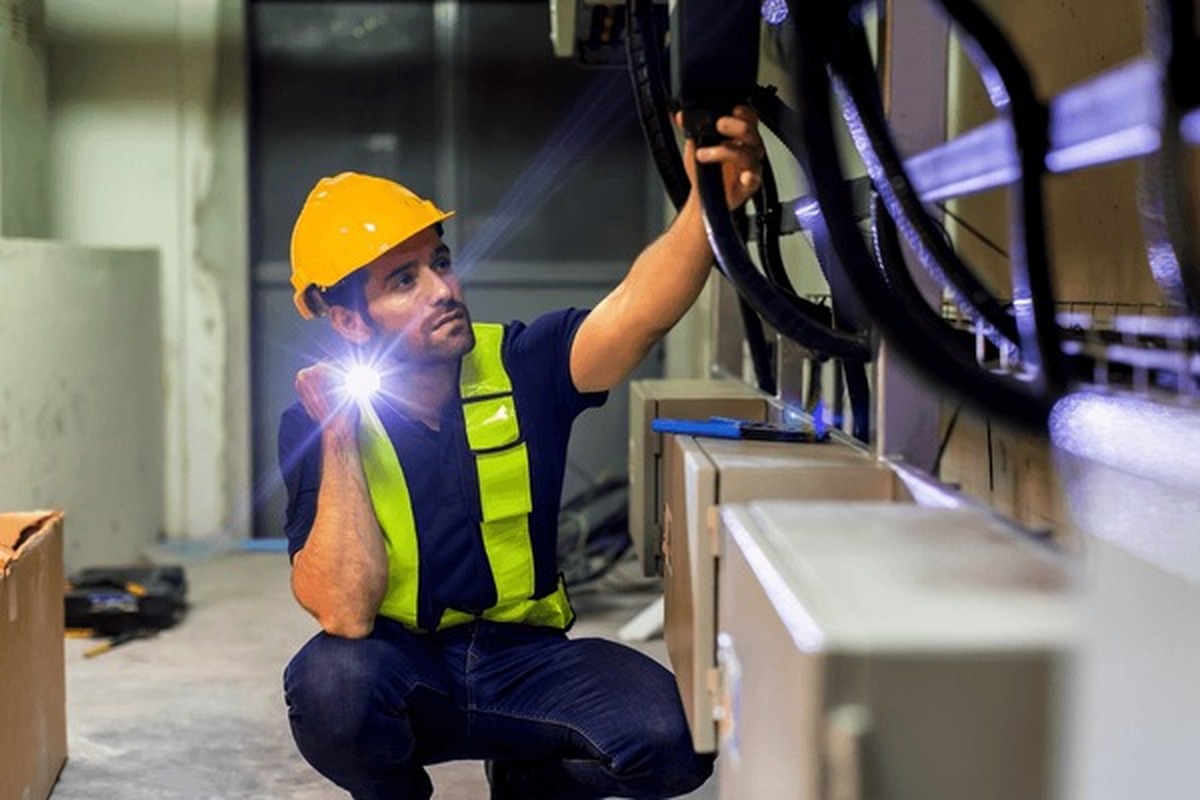
During a safety inspection, your electrician examines your entire electrical system from top to bottom. This includes checking your switchboard, testing safety switches and circuit breakers, inspecting wiring throughout the property, and examining all power points and light fittings. They’ll also look at any hardwired appliances and outdoor electrical installations.
It’s worth noting that electrical safety assessments and electrical safety audits aren’t quite the same thing. An assessment is typically a general inspection of your property’s electrical safety endeavour hills. An audit, on the other hand, tends to be more detailed and is often required for commercial properties or as part of workplace health and safety compliance.
Common electrical hazards in Australian homes and businesses
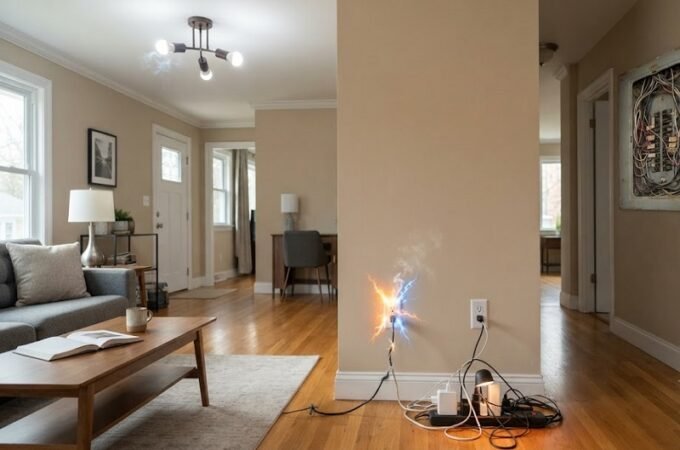
Australian electricians frequently encounter several common issues during inspections. These include outdated wiring (particularly in older homes), overloaded power points, faulty safety switches, and DIY electrical work that doesn’t meet standards. Other red flags include damaged or frayed cables, improper earthing, and switchboards that haven’t been upgraded in decades. Identifying these hazards early can prevent electrical fires, shocks, and costly repairs down the track.
Preparing Your Property Before the Assessment
How do I prepare for an electrical inspection?
A little preparation goes a long way towards making your inspection run smoothly. Start by creating clear access to your switchboard and meter box. If they’re tucked away in a cupboard or behind stored items, shift things out of the way beforehand. Your electrician will also need access to power points, light switches, and any ceiling spaces or roof cavities.
Gathering relevant documentation before the inspection is also helpful. Dig out any previous inspection reports, certificates of compliance, or records of electrical work completed on the property. This gives your electrician valuable context about your system’s history and any known issues.
What to do if you suspect existing electrical faults
If you’ve noticed flickering lights, sparking outlets, or frequently tripping circuit breakers, mention these to your electrician before they start. Don’t attempt to investigate or repair electrical faults yourself—this is dangerous and illegal in Australia unless you’re a licensed professional. Simply make a note of any concerns so your electrician can prioritise checking those areas during the assessment.
Choosing the Right Licensed Electrician
What qualifications should an electrician have for safety assessments?
In Australia, only licensed electricians can legally perform electrical safety assessments. Check that your chosen professional holds a current electrical licence for your state or territory. You can verify this through your state’s licensing authority. Plus, look for electricians who have specific experience with safety inspections rather than just general electrical work.
Questions to ask before booking
Before committing to a booking, ask a few key questions:
– Are you licensed and insured?
– How long have you been conducting electrical safety assessments?
– What does your inspection include?
– Will I receive a written report?
– What are your fees?
Understanding electrical safety check compliance requirements is essential. Australian standards outline what constitutes a safe electrical installation, and your electrician should be well-versed in these regulations.
Knowing What to Expect During the Inspection Process
How long does an electrical safety assessment take?
For an average-sized home, an electrical safety assessment usually takes between one and two hours. Larger properties or those with complex electrical systems may require more time. Commercial electrical safety assessment requirements often mean these inspections take longer—sometimes half a day or more for larger premises.
Key areas inspected during a residential electrical safety check
Your electrician will systematically work through your property, checking:
– Switchboard condition and capacity
– Safety switch functionality
– Wiring integrity and insulation
– Power point and light switch condition
– Smoke alarm compliance
– Outdoor installations and pool equipment (if applicable)
What happens if faults are discovered during the inspection?
Don’t panic if your electrician finds issues—it’s actually quite common, especially in older properties. Your electrician will document all faults in their report, categorising them by severity. Some issues might be minor and simply worth monitoring, while others could require immediate attention for safety reasons. Your electrician will explain each finding and provide recommendations for repairs or upgrades.
Taking Action After Your Assessment
Understanding your electrical safety certificate
Once the inspection is complete, you’ll receive a report detailing the condition of your electrical system. If everything passes, you may receive an electrical safety check certificate confirming compliance. This document is valuable for insurance purposes, property sales, and rental agreements. Keep it somewhere safe and accessible.
Prioritising repairs and upgrades
If the assessment identified issues, work with your electrician to prioritise them. Safety-critical items like faulty safety switches or damaged wiring should be addressed immediately. Less urgent matters, such as upgrading an older switchboard, can be scheduled when convenient and budget allows.
How often should electrical safety assessments be conducted?
For residential properties, electrical safety assessments are recommended every five years, or more frequently for older homes. Rental properties in some Australian states require inspections at specific intervals. Commercial properties typically need more regular assessments—often annually or biennially—depending on industry regulations and workplace safety requirements.
Maintaining electrical safety between inspections
Between professional assessments, there’s plenty you can do to maintain electrical safety. Test your safety switches monthly using the test button. Avoid overloading power points with too many appliances. Replace damaged cords immediately, and never ignore warning signs like buzzing sounds, burning smells, or warm power points.
Final Thoughts on Achieving Stress-Free Electrical Safety Compliance
Taking a proactive approach to electrical safety doesn’t have to be stressful. By understanding what’s involved, preparing your property, choosing the right electrician, knowing what to expect, and taking appropriate action afterwards, you’ve got all the tools for a smooth experience.
Remember, electrical safety assessments aren’t about catching you out—they’re about keeping you, your family, or your employees safe. Think of them as a health check for your property’s electrical system. Regular inspections can prevent dangerous situations, save money on emergency repairs, and ensure you’re meeting your legal obligations.
So, whether you’re a homeowner, landlord, or business owner, make electrical safety a priority. Book your assessment with a trusted licensed electrician, prepare as we’ve discussed, and approach the process with confidence. Your future self will thank you for the peace of mind that comes with knowing your electrical system is in top shape. Stay safe, and here’s to stress-free electrical safety compliance!