
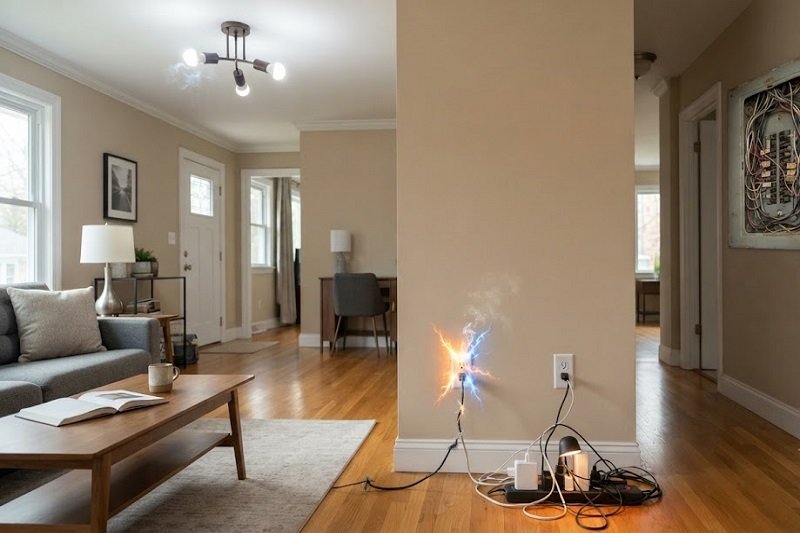
10 Electrical Problems Homeowners Should Never Ignore
Most homeowners expect an occasional electrical issue. A light bulb burns out. A breaker trips after plugging in too many things. An outlet stops working for some seemingly random reason.
The problem is that electrical problems don’t always stay small.
A circuit breaker that keeps tripping, a light that flickers every evening, or an outlet that feels warm may be giving you an early warning that something needs attention. Ignoring these signs can allow a relatively manageable electrical problem to become a larger repair, damage appliances, or create a serious safety concern.
For homeowners, the challenge is knowing which problems are simply inconvenient and which ones deserve a closer look.
Here are 10 electrical problems homeowners should never ignore, along with some practical guidance on what may be happening and when it’s time to call a licensed electrician.
-
Frequently Tripping Circuit Breakers
A circuit breaker is designed to shut off power when a circuit is overloaded or experiencing a fault. An occasional trip may not be unusual, particularly if several high-powered appliances are being used on the same circuit.
Frequent trips are different.
If the same breaker keeps shutting off, don’t simply reset it every time and move on. The circuit could be overloaded, a connected appliance could have a problem, or there could be an issue with the wiring.
For example, homeowners may notice a breaker trips whenever they use a microwave, hair dryer, portable heater, or other high-demand appliance. That pattern can provide an electrician with useful information when troubleshooting the circuit.
Repeatedly resetting a breaker without determining why it is tripping isn’t a real solution. The underlying problem needs to be identified.
-
Flickering or Dimming Lights
Lights that occasionally flicker when a large appliance starts may be worth paying attention to, especially if the behavior is becoming more frequent.
Flickering lights can have several possible causes. A loose connection, overloaded circuit, wiring problem, or issue with a fixture can potentially produce similar symptoms.
The location of the problem matters, too.
If one light fixture flickers, the issue may be isolated to that fixture or its connection. If several lights throughout the house flicker or dim at the same time, the problem may be more extensive.
Homeowners shouldn’t automatically assume that changing the light bulb will solve the problem. If a new bulb doesn’t correct the issue, further troubleshooting may be appropriate.
-
Buzzing, Crackling, or Hissing Outlets
Electrical outlets should not normally make noise.
A buzzing, crackling, popping, or hissing sound coming from an outlet, switch, light fixture, or electrical panel deserves attention. These noises can indicate a loose electrical connection, damaged wiring, or another electrical problem.
Sometimes the noise is subtle enough that homeowners aren’t sure whether they’re actually hearing something.
If an outlet makes a strange sound when an appliance is plugged in or when a switch is turned on, don’t continue using it simply to see whether the noise gets worse.
This is one of those situations where having an electrician inspect the problem is preferable to experimenting with it yourself.
-
Warm or Discolored Outlets and Switches
Electrical outlets and switches shouldn’t become noticeably hot during normal use.
A slightly warm device may have a simple explanation in some situations, but an outlet or switch that is unusually warm, scorched, brown, yellowed, or otherwise discolored should not be ignored.
Discoloration can indicate that the device or wiring has experienced excessive heat.
Pay particular attention to outlets that supply appliances that draw significant amounts of electricity. A receptacle that regularly feels hot around a frequently used appliance should be inspected rather than simply replaced without investigating the cause.
Replacing the cover or outlet may address the visible problem without addressing what caused it.
-
Burning Smells Near Electrical Components
A burning or unusual electrical odor is one of the warning signs homeowners should take seriously.
If you smell something burning near an outlet, switch, light fixture, appliance connection, or electrical panel, don’t assume the smell will disappear on its own.
Electrical components can become overheated because of damaged wiring, loose connections, overloaded circuits, or failing equipment.
The source isn’t always obvious. A burning smell may seem to come from one location even though the underlying issue is somewhere else in the circuit.
If there is smoke, visible scorching, sparks, or an active electrical emergency, prioritize safety and contact the appropriate emergency services. For non-emergency electrical concerns, a licensed electrician can help determine what is causing the odor and what repairs are necessary.
-
Outlets That Suddenly Stop Working
An outlet that doesn’t work can seem like a minor inconvenience.
Sometimes it is.
A tripped GFCI outlet or circuit breaker can cut power to other outlets downstream. In other situations, the receptacle itself may have failed or there may be a wiring problem.
Before assuming the outlet needs to be replaced, homeowners can check whether a nearby GFCI receptacle needs to be reset and whether the circuit breaker has tripped.
If those basic checks don’t restore power, repeated attempts to diagnose or repair the outlet may not be worthwhile.
A licensed electrician can trace the circuit and determine whether the issue is with the receptacle, wiring, breaker, or another part of the electrical system.
-
GFCI Outlets That Keep Tripping
GFCI protection is especially important in areas where electricity may come into contact with water, such as kitchens, bathrooms, garages, laundry areas, and outdoor spaces.
A GFCI outlet is designed to shut off power when it detects an imbalance in electrical current.
If it trips occasionally, there may be a temporary cause. But a GFCI that repeatedly trips can indicate a problem that deserves investigation.
The connected appliance could be faulty. Moisture could be involved. The GFCI device itself could be failing. There could also be a wiring issue somewhere on the circuit.
Don’t solve a recurring GFCI problem by repeatedly pressing the reset button without finding out why it keeps happening.
-
An Old or Outdated Electrical Panel
Your electrical panel is the central point where electricity is distributed throughout the home.
Older homes may have electrical panels that were designed for a very different level of electricity consumption than what modern households require.
Today’s homes can have refrigerators, washing machines, dryers, air conditioners, pool equipment, EV chargers, computers, entertainment systems, smart-home devices, and numerous other electrical loads operating throughout the day.
An older panel isn’t automatically unsafe simply because of its age. However, signs such as frequently tripping breakers, visible corrosion or damage, limited capacity, overheating, or difficulty accommodating modern electrical needs can justify an inspection.
Homeowners considering a major renovation, addition, EV charger, pool equipment, or other significant electrical upgrade may also benefit from having the existing electrical system evaluated first.
-
Extension Cords Being Used as Permanent Wiring
Extension cords are useful when you need temporary access to electricity.
They aren’t intended to replace permanent household wiring.
If extension cords are running across rooms, under rugs, through doorways, or behind furniture on a permanent basis, it may be time to consider whether additional outlets or a new circuit would make more sense.
This is particularly important when extension cords are being used with high-powered equipment.
A homeowner may start with one extension cord and eventually find themselves relying on several just to make the room functional. That’s often a sign that the electrical layout no longer meets the way the space is being used.
Adding properly installed outlets or dedicated circuits can provide a safer and more convenient long-term solution.
-
Lights That Dim When Major Appliances Turn On
Have you ever noticed the lights dim briefly when the air conditioner, refrigerator, washing machine, or another major appliance turns on?
A momentary change may happen under certain circumstances, but noticeable or increasingly frequent dimming throughout the house shouldn’t automatically be dismissed as normal.
If lights dim significantly whenever a major appliance starts, there could be an issue involving the circuit, connections, electrical capacity, or another part of the home’s electrical system.
This is particularly worth investigating when dimming occurs alongside other warning signs such as buzzing, warm outlets, breaker trips, or flickering.
A pattern of electrical symptoms can tell an electrician much more than one isolated incident.
When Should You Call a Licensed Electrician?
Not every electrical problem requires a service call.
Replacing a standard light bulb or plugging an appliance into an existing outlet is obviously different from modifying household wiring. The important distinction is knowing where a simple homeowner task ends and electrical work requiring professional knowledge begins.
For example, a handy homeowner may be comfortable with basic household maintenance, but installing new circuits, modifying wiring, replacing an electrical panel, troubleshooting recurring breaker trips, installing certain high-power equipment, or making significant electrical changes is a different level of work.
Electrical installations need to be done correctly the first time. A mistake behind a wall isn’t necessarily visible once the project is finished.
For homeowners in Austin, Texas, local electrical requirements and permitting considerations can also matter depending on the project. When work involves the home’s permanent electrical wiring, it’s worth knowing what is allowed as a DIY project and what should be handled by a properly licensed professional.
Homeowners in Austin, Texas can work with Tejas Electric for reliable electrical services when recurring electrical problems require professional troubleshooting or repairs.
The goal isn’t to call an electrician every time something minor happens. It’s to recognize when an electrical symptom is persistent, unusual, or potentially connected to a larger problem.
Can a Handy Person Handle Electrical Installation as a DIY Project?
This is a common question, especially for homeowners who are comfortable handling other repairs around the house.
The answer depends heavily on what is being done.
Simple maintenance tasks can be appropriate for homeowners who understand the work and follow the manufacturer’s instructions. Electrical wiring modifications are different. Installing new wiring, changing circuits, upgrading a panel, troubleshooting an unknown electrical fault, or working inside an electrical panel can introduce significant risks if the person doing the work doesn’t have the appropriate training and experience.
There’s also an important difference between knowing how to physically connect wires and understanding an entire electrical system.
A professional electrician considers factors such as circuit capacity, wire sizing, grounding, overcurrent protection, connections, existing wiring conditions, and applicable electrical requirements. A DIY installation that appears to work may still have an underlying problem.
For that reason, major electrical installations and troubleshooting are generally better left to licensed electricians in Austin, TX homeowners can trust.
Don’t Ignore Patterns Your Electrical System Is Showing You
One electrical symptom may have a simple explanation. A pattern of symptoms is another matter.
If a breaker keeps tripping, lights are flickering, outlets are getting warm, GFCIs repeatedly shut off, or strange electrical odors are appearing, those problems are worth investigating.
Your home also changes over time. Electrical demands increase as homeowners add appliances, remodel rooms, install outdoor equipment, add home offices, purchase EVs, or make other upgrades.
The electrical system needs to keep up with those changes.
Rather than waiting until an electrical problem becomes an emergency, homeowners can pay attention to the warning signs and address recurring issues early. When you’re unsure whether a problem is minor or something that requires professional troubleshooting, having a licensed electrician evaluate it can provide a much clearer answer.
For Austin, Texas homeowners, that can mean getting ahead of electrical problems instead of repeatedly resetting the breaker, replacing the same outlet, or wondering why the lights keep flickering.