
Roof Repairs in Brighton: The Ultimate Guide for Australian Homeowners
Roof repairs are essential for keeping your Brighton home safe and comfortable and this guide walks you through the most common roof issues, how to spot them early, and the best ways to fix them. You know? We’ll cover roof types, climate impacts, diy tips, regulatory requirements, material choices, maintenance schedules, contractor selection, and emergency procedures so you know exactly what to do when a roof problem arises.
Understanding Brighton Roof Types
Roof repairs protect your home from water damage. In Brighton most houses use tiled roofs, especially classic terracotta or concrete tiles that suit the coastal aesthetic. Metal roofs are also popular for new builds because they resist rust and shed rain quickly. Flat roofs appear on modern apartments and require different sealing techniques. Shingle roofs, though less common, still exist on older timber homes and need special attention to prevent wind uplift.
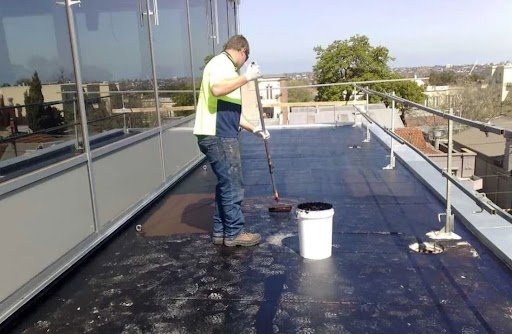
Tile roof repair in Brighton often involves replacing cracked or slipped tiles and resealing the underlayment. Look, metal roof repair usually means checking for rust spots and tightening fasteners. Flat roof repair focuses on patching membrane cracks and ensuring proper drainage. Each material has its own repair workflow and lifespan, so knowing your roof type is the first step toward a lasting solution.
Climate Challenges for Brighton Roofs
Roof repairs safeguard your property against the harsh Victorian weather. Brighton experiences strong sea breezes, high UV exposure, and occasional summer heat that can cause tile expansion and contraction. Winter brings heavy rain and occasional hail that can punch holes in flat membranes. The occasional bushfire threat in surrounding bushland also means that roofing materials must be fire‑resistant.
UV radiation degrades the granules on metal roofs, leading to loss of reflectivity. Salt spray from the nearby bay can accelerate corrosion on metal flashing. Heavy winds can lift loose tiles and expose the roof deck. These climate factors help you prioritize inspections and choose repair methods that stand up to local conditions.
Spotting the Need for Roof Repairs
Roof repairs prevent small problems from becoming major headaches. Look for water stains on ceilings, especially after rainstorms. Moss growth on tiles indicates trapped moisture and can lift tiles over time. Cracked or missing tiles are a clear sign that the protective barrier is compromised. Rust on metal flashings or sagging sections of a flat roof also signal urgent attention is required.
Inside the attic, check for damp insulation or a musty smell, which often points to roof leak repair Marc. Examine the gutters for debris that could cause water overflow onto the roof edge. Seasonal inspections after the first heavy rain of the year are a good habit for catching early signs of wear. Early detection saves time and reduces the extent of necessary repairs.
DIY Roof Repairs vs Hiring a Licensed Roofer
Roof repairs can be tackled by a confident homeowner when the job is minor. A single cracked tile, you can lift the surrounding tiles, apply roofing cement, and replace the damaged piece. A small leak around a vent can be sealed with a high‑quality silicone sealant. However, any work that involves climbing onto a steep roof or handling heavy materials should be left to professionals.
Licensed roofers in Victoria are required to hold a valid builder’s licence and carry workers’ compensation insurance… They have the right tools, such as a safety harness and a professional‑grade torch for metal repairs. I mean, hiring a licensed professional also ensures the work complies with the building code of Australia & any local council regulations. When in doubt, make sure a certified roofer inspects the problem before you start any DIY work.
Regulations, Permits and Insurance for Roof Repairs
Roof repairs must meet the standards set by the Victorian Building Authority. For structural repairs, a building permit is often required, especially if you are changing the roof pitch or adding new penetrations. Minor repairs like replacing a few tiles generally do not need a permit, but you should still follow the council’s guidelines for material specifications.
Home insurance policies in Brighton usually cover storm damage roof repair if the cause is a covered event such as hail or wind. You will need to provide proof of repair work, including receipts and a certificate of compliance from a licensed roofer. Keep a record of all repairs as they can affect future insurance premiums and resale value.
Choosing Materials and Eco‑Friendly Options
Roof repairs give you a chance to upgrade to more sustainable materials. Metal roofs, especially those made from recycled steel, offer high durability and can be coated with reflective paint to reduce heat gain. Tile roofs can be replaced with clay tiles that have a lower embodied carbon than concrete alternatives. Ah, synthetic roofing membranes provide waterproofing while being lighter and easier to install.
Cool roof coatings reflect solar radiation & can lower indoor temperatures by up to 5 °C, reducing air‑conditioning demand. Integrating solar panels during a roof repair is a smart way to maximise roof space and improve energy efficiency. When selecting materials, consider the product’s warranty length and its compatibility with existing roof structures.
Maintenance Schedule and Seasonal Inspections
Roof repairs are easier when you follow a regular maintenance schedule. In spring, after the winter rains, inspect the roof for any damage caused by heavy winds. Summer is the perfect time to clean gutters and remove debris that could trap moisture. Autumn calls for a thorough check of flashing and downspouts before the rainy season.
Perform a visual inspection at least twice a year and after any major storm. Use a sturdy ladder and wear non‑slip shoes when accessing the roof. Ah, document any findings with photos, noting the location of damaged tiles or rust spots. A well‑kept maintenance log helps you track the health of your roof over time and plan future repairs before issues become critical.
Selecting the Right Contractor and Warranty Basics
Roof repairs should be carried out by a contractor with a solid reputation in Brighton. Verify that the roofer holds a current Victorian builder’s licence and has public liability insurance. Ask for references from recent clients and check online reviews for consistency. A reputable contractor will provide a written quote that details the scope of work, materials, and timeline.
Warranties on roof repairs vary by material & installer. Metal roof repair warranties often last 10‑15 years, while tile roof repair warranties may be 5‑10 years. Make sure the warranty covers both labour and materials and understand the claims process. Keeping all warranty documents organized will protect you if future issues arise.
Emergency Roof Repair Procedures
Roof repairs become urgent when a storm causes sudden damage. You notice a large hole or a roof collapse, prioritize safety and keep everyone away from the affected area. Cover the opening with a waterproof tarp and secure it with rope or heavy bricks to prevent further water ingress.
Contact a 24‑hour emergency roofer in Brighton as soon as possible. Many local firms offer rapid response services and can dispatch a team within a few hours. While waiting for professionals, turn off electricity to any wet areas to avoid electrical hazards. Here’s the thing: quick action can limit water damage to ceilings, walls, and personal belongings.
Impact of Roof Repairs on Property Value
Roof repairs can significantly boost the resale value of a Brighton home. A well‑maintained roof is a major selling point for buyers & can lead to higher offers. Energy‑efficient upgrades, such as reflective metal roofing, also appeal to environmentally conscious purchasers.
When preparing a home for sale, obtain a roof inspection report from a licensed roofer. Provide prospective buyers with documentation of recent repairs and any warranties that are still in force. A transparent record of roof maintenance reassures buyers and can shorten the time your property spends on the market.
Visual Aids and Resources for Homeowners
Roof repairs are easier to understand when you have clear visual guides. Look for diagrams that show the layers of a typical tiled roof, from the underlayment to the flashing. Video tutorials that demonstrate how to replace a cracked tile or apply roof sealant can boost confidence for DIY tasks.
Local councils in Victoria often provide printable checklists for seasonal roof inspections. Resources highlight key areas to examine, such as ridge caps, gutter connections, and ventilation openings. Using these tools helps you stay organized and ensures you don’t miss any critical repair points.
Conclusion
Roof repairs are a vital part of home upkeep in Brighton, protecting your property from the unique challenges of the local climate. By understanding roof types, recognizing early warning signs, following proper maintenance routines, and choosing qualified contractors, you can keep your roof in top condition for years to come. For detailed guidance on specific repair methods, see the roof repairs guide.