Security Systems That Keep Your Property Safe
Have you ever wondered what would happen if someone tried to break into your home while you were away? Security Systems in Gippsland can provide an effective way to protect your home, family, and valuable property. In today’s world, property security isn’t just a luxury—it’s becoming a necessity for homeowners and business owners across Australia.
The truth is, burglary rates remain a genuine concern, and the peace of mind that comes with a reliable security system is priceless. Whether you’re protecting a family home in suburban Melbourne, a rental property in Brisbane, or a commercial premises in Sydney, understanding your options is the first step towards better protection.
In this guide, we’ll explore everything you need to know about modern security systems. From CCTV cameras and smart locks to professional monitoring services, we’ll break down the essentials so you can make an informed decision. Plus, we’ll tackle common questions like whether DIY installation makes sense and what security mistakes you should avoid. Let’s get started.
Understanding Modern Security Systems
What Are the Different Types of Security Systems?
When it comes to protecting your property, you’ve got more options than ever before. The main categories include burglar alarms, CCTV surveillance systems, access control systems, and comprehensive smart home security setups. Each serves a different purpose, and many homeowners find that a combination works best.
Burglar alarms are the classic choice—they detect unauthorised entry and sound the alarm to scare off intruders. CCTV systems, on the other hand, provide visual surveillance and evidence if something does go wrong. Access control systems manage who can enter your property, while smart home security ties everything together through your smartphone.
How Do Home Security Systems Actually Work?
At their core, security systems rely on sensors, cameras, and control panels working together. Door and window sensors detect when entry points are opened. Motion detectors pick up movement inside or outside your property. When triggered, these components send signals to a central control panel.
The control panel then decides what action to take—whether that’s sounding an alarm, sending you a notification, or alerting a monitoring centre. It’s essentially the brain of your security setup, coordinating all the different elements to keep you protected.
Wired vs Wireless Security Systems: Which Is Better?
This is one of the most common questions homeowners ask. Wired systems are incredibly reliable since they don’t depend on batteries or wireless signals. They’re harder to tamper with and generally last longer. However, installation can be more complex and expensive.
Wireless systems offer flexibility and easier installation. You can usually set them up yourself and add components as needed. The downside? They rely on batteries and wireless signals, which can occasionally be disrupted. For most modern homes, wireless systems provide excellent protection with minimal hassle.
Essential Components of an Effective Security System
CCTV Cameras and Video Surveillance
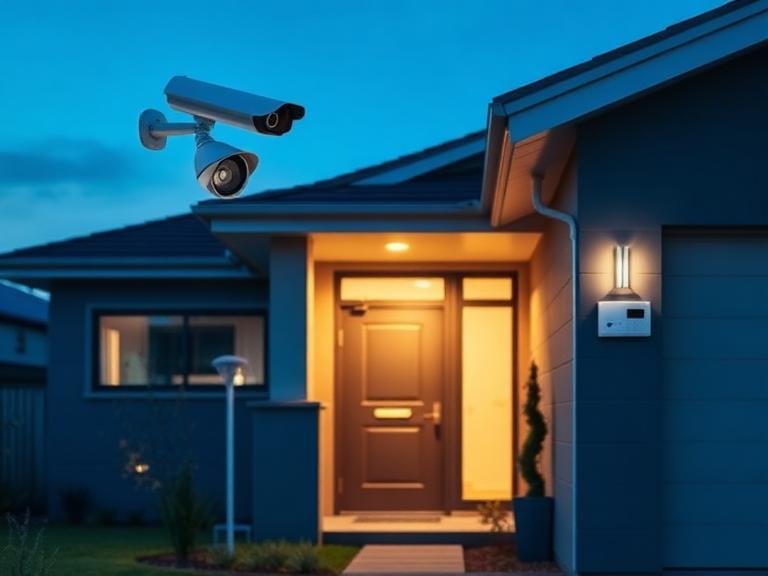
CCTV cameras have come a long way from grainy black-and-white footage. Today’s cameras offer high-definition video, night vision, and even facial recognition capabilities. They’re your eyes when you can’t be there, recording everything that happens on your property.
Placement is crucial here. Focus on entry points like front doors, back doors, and garage entrances. Don’t forget about less obvious spots like side gates or windows hidden from street view. A visible camera also acts as a powerful deterrent—most burglars will think twice when they spot one.
Alarm Systems and Motion Sensors
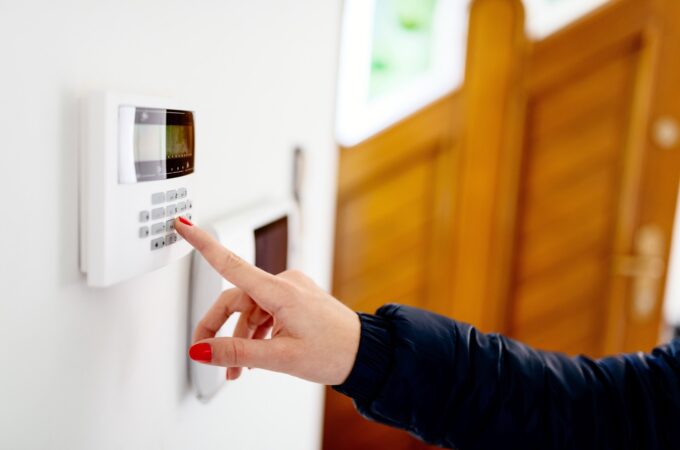
A quality alarm system combines door sensors, window sensors, and motion detectors to create a protective net around your home. When armed, any unauthorised movement triggers the alarm, alerting you and potentially scaring off intruders before they get far.
Motion sensors are particularly clever. Modern versions can distinguish between pets and humans, reducing false alarms. Some even use infrared technology to detect body heat, making them effective day or night.
Access Control and Smart Locks
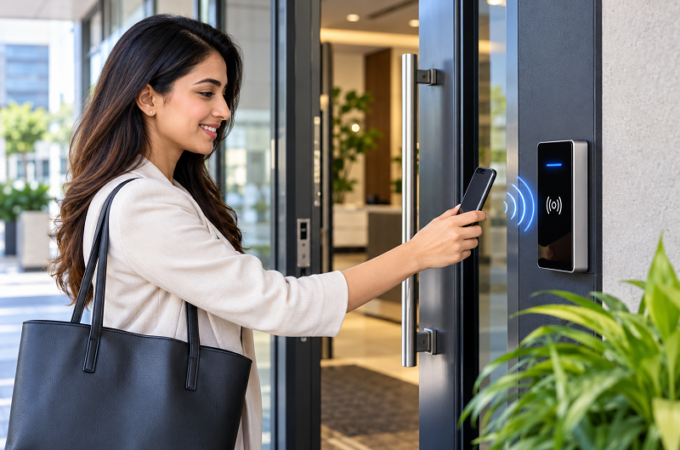
Smart locks are revolutionising how we secure our homes. No more hiding spare keys under the doormat or worrying about lost keys. With a smart lock, you can control access via your smartphone, create temporary codes for visitors, and see exactly who’s coming and going.
For commercial properties, access control systems can manage multiple entry points, track employee movements, and restrict access to sensitive areas. It’s security and convenience rolled into one.
Security Lighting and Deterrents
Never underestimate the power of good lighting. Motion-activated lights around your property make it much harder for intruders to approach unseen. They’re affordable, easy to install, and surprisingly effective.
Beyond lighting, visible security signs and cameras serve as psychological deterrents. Research consistently shows that burglars prefer easy targets—anything that suggests your property is protected makes them more likely to move on.
Choosing the Right Security System for Your Property
How Much Does a Home Security System Cost?
Budget is obviously a factor for most people. Basic DIY systems start from around $200 to $500, while professionally installed comprehensive systems can run into the thousands. Monthly monitoring fees typically range from $30 to $60.
Think of it as an investment rather than an expense. The cost of a burglary—both financially and emotionally—far outweighs what you’d spend on decent protection. Many insurance companies also offer reduced premiums for properties with security systems, which helps offset the cost.
What Security System Is Best for Rental Properties?
If you’re renting, wireless systems are your best friend. They’re easy to install without damaging walls and can move with you when your lease ends. Look for systems that don’t require professional installation or long-term contracts.
For landlords, security systems add value to your property and can attract better tenants. Just make sure to clearly communicate with tenants about how the system works and who’s responsible for monitoring fees.
Security Considerations for Homes vs Commercial Properties
Residential security typically focuses on perimeter protection, entry point monitoring, and deterrence. Commercial properties often need more sophisticated setups, including access control, CCTV with longer storage capacity, and integration with fire safety systems.
Commercial properties may also require compliance with specific regulations, particularly if handling sensitive data or valuable stock. It’s worth consulting with a security professional to understand your obligations.
Do Security Systems Actually Deter Burglars?
The short answer? Yes, absolutely. Studies consistently show that homes without security systems are significantly more likely to be targeted. Burglars are opportunists—they want quick, easy access with minimal risk of being caught.
Visible security measures send a clear message: this property is protected. Even basic measures like alarm signs and security cameras make a noticeable difference in deterring would-be intruders.
Smart Home Security: The Future of Property Protection
What Is Smart Home Security and How Does It Work?
Smart home security takes traditional systems and adds connectivity. Everything links to your home network, allowing you to monitor and control your security from anywhere with an internet connection.
The real magic happens through automation. Your system can arm itself when everyone leaves, turn on lights at sunset, and send instant alerts if something seems amiss. It’s proactive protection that adapts to your lifestyle.
Can I Monitor My Security System From My Phone?
Absolutely—and it’s brilliant. Most modern systems come with dedicated apps that let you view live camera feeds, arm or disarm your system, and receive instant notifications. Whether you’re at work or on holiday, your property is just a tap away.
Integration With Other Smart Home Devices
The best smart security systems play nicely with other devices. Imagine your outdoor lights automatically switching on when motion is detected, or your smart speaker announcing when someone’s at the door. This interconnected approach creates layers of protection and convenience.
Professional Monitoring vs Self-Monitoring
Is Professional Security Monitoring Worth It?
Professional monitoring means trained operators watch your system around the clock. If an alarm triggers, they verify the threat and contact emergency services if needed. It’s particularly valuable when you’re unable to respond yourself.
The monthly cost might seem steep, but consider what it buys: peace of mind knowing someone’s always watching, even while you sleep or travel.
Benefits and Limitations of DIY Security Systems
DIY systems are fantastic for budget-conscious homeowners who don’t mind managing their own security. You’ll save on installation costs and monthly fees. However, you’re responsible for responding to every alert—even false alarms at 3 AM.
Installation and Maintenance Best Practices
Should I Install a Security System Myself or Hire a Professional?
For basic wireless systems, DIY installation is perfectly doable. Most come with straightforward instructions and online support. However, complex setups—particularly those involving wiring or commercial properties—benefit from professional installation.
How Often Should Security Systems Be Serviced?
Annual servicing keeps your system running smoothly. This includes testing sensors, checking batteries, updating software, and verifying camera positioning. Don’t wait until something fails.
Common Security Mistakes to Avoid
Many homeowners make simple errors that compromise their security. Leaving the system unarmed, using obvious alarm codes, or neglecting maintenance are surprisingly common. Equally problematic is relying solely on one security measure rather than layering protection.
Taking the Next Steps to Protect Your Property
Protecting your property doesn’t have to be overwhelming. Start by assessing your current vulnerabilities—where are the weak points? Then research security systems in Gippsland that address those specific concerns within your budget.
Remember, the best security system is one you’ll actually use. Complicated setups that frustrate you will eventually be ignored. Choose something intuitive that fits seamlessly into your daily routine.
Whether you opt for a simple DIY setup or a comprehensive professionally monitored system, taking action today puts you ahead of the curve. Your home, your family, and your peace of mind are worth protecting. Why wait?