
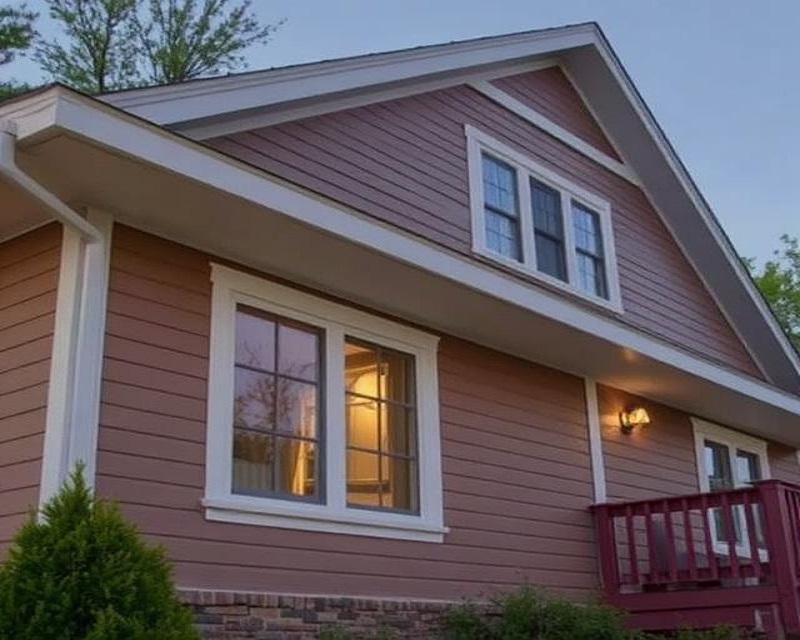
Different Types of House Siding
Siding is an essential part of any home, so you should choose it with care. It improves the appearance of your house by adding color, style, and protection. The right House siding can increase your home’s curb appeal while also protecting it from weather and environmental damage. Many siding materials are available in the market. Below is a brief overview of some common types of siding, along with their qualities and drawbacks.
Vinyl Siding
Vinyl siding is one of the most popular siding options used in modern homes. Homeowners prefer it because it is affordable, low maintenance, and highly versatile. Its plastic-like finish attracts many people who want a clean and modern exterior look.
Manufacturers offer vinyl siding in a wide range of colors and styles, which adds to its popularity. Advances in technology have also made installation easier and more convenient. Homeowners who enjoy DIY projects often choose vinyl siding because they can install it with a few basic tools from a home improvement store. However, you should carefully follow the manufacturer’s instructions and watch installation tutorials to avoid mistakes.
Wood Siding
Wood siding remains a classic choice for bungalow, Cape Cod, and cottage-style homes. It provides a natural and rich appearance that many homeowners appreciate.
Although wood siding is durable, it requires proper maintenance. Regular painting, sealing, and protection from weather conditions help extend its lifespan. Without maintenance, insects and rodents can damage the wood. The durability of wood siding largely depends on how well you maintain it. With proper care, it can last for decades—sometimes even up to 100 years.
Brick Siding
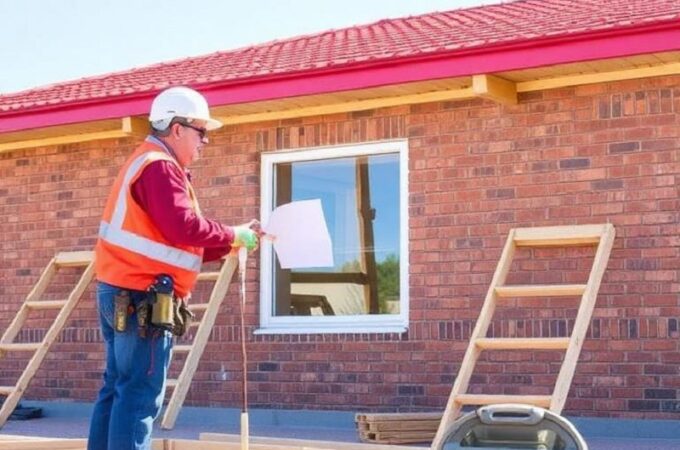
Brick siding commonly appears in Tudor and English cottage-style homes. It gives buildings a timeless and highly attractive appearance.
Manufacturers create bricks from fired clay and produce them in different shapes and sizes. In modern construction, builders usually install brick siding as a veneer over a wooden structure. Mortar holds the bricks together, while a protective membrane between the veneer and the house prevents water damage. Brick siding offers excellent durability and long-term strength. However, installation requires skilled labor, which makes it more expensive than many other House siding options.
Fiber Cement Siding
Many homeowners choose fiber cement siding because of its strong performance and durability. It is non-flammable, termite-resistant, and requires relatively low maintenance.
Fiber cement siding can mimic the appearance of stucco, wood, or masonry at a lower cost. Manufacturers also offer factory-painted or pre-finished options in a variety of styles and textures. Despite its benefits, fiber cement siding can face moisture-related issues if installed incorrectly. In addition, homes built before the 1980s may contain asbestos siding. In such cases, a professional contractor should handle the removal process.
Conclusion
Choosing the right House siding plays a major role in both the appearance and durability of your home. Each siding material offers its own advantages and limitations. Vinyl siding provides affordability and easy installation, wood siding delivers a classic and natural look, brick siding offers long-lasting strength, and fiber cement siding combines durability with design flexibility. By carefully evaluating your budget, maintenance requirements, and aesthetic preferences, you can select the siding option that best suits your home and lifestyle.

Your article helped me a lot, is there any more related content? Thanks!
Your point of view caught my eye and was very interesting. Thanks. I have a question for you.
Thanks for sharing. I read many of your blog posts, cool, your blog is very good.
I don’t think the title of your article matches the content lol. Just kidding, mainly because I had some doubts after reading the article.
Thanks for sharing. I read many of your blog posts, cool, your blog is very good.