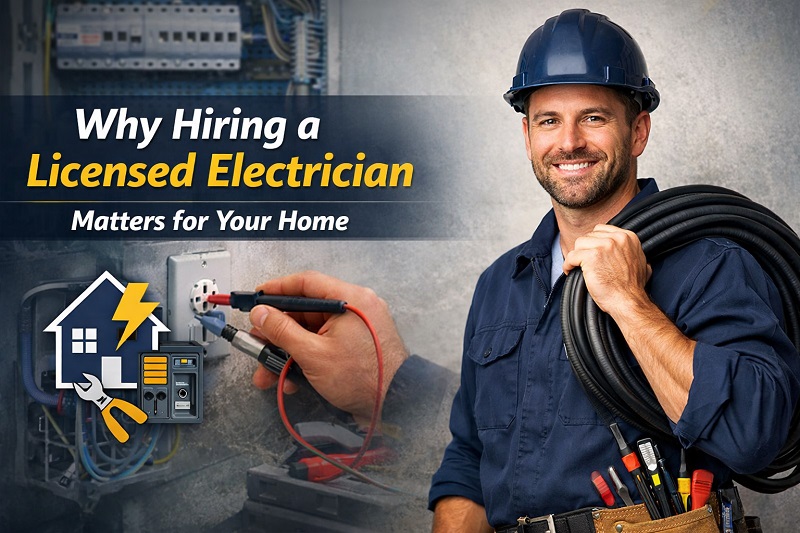
Why Hiring a Licensed Electrician Matters for Your Home
Have you ever wondered what’s really going on behind your walls? Those hidden wires carrying electricity throughout your home – are they safe? And what happens when something goes wrong with your electrical system? These questions might not keep you up at night, but perhaps they should.
The truth is, electrical work isn’t something to take lightly. Every year in Australia, faulty wiring and dodgy electrical installations cause hundreds of house fires and numerous fatalities. Yet many homeowners still attempt DIY electrical repairs or hire unlicensed workers to save a few dollars. It’s a gamble that simply isn’t worth taking.
In this guide, we’ll explore exactly why hiring a licensed electrician is absolutely critical for your home’s safety, your family’s wellbeing, and your wallet. We’ll cover everything from understanding licensing requirements to recognising warning signs that your home needs professional attention. Whether you’re planning renovations, dealing with flickering lights, or just want peace of mind about your electrical system, this article will give you the knowledge you need to make smart choices.
What Is a Licensed Electrician and Why Does It Matter?
Understanding Electrical Licensing in Australia
In Australia, electrical licensing is regulated at the state and territory level. Each jurisdiction has its own requirements, but the fundamental principle remains consistent: electricians must complete rigorous training, apprenticeships, and examinations before they can work independently on electrical systems.
A licensed electrician has typically completed a four-year apprenticeship, passed competency assessments, and demonstrated their ability to work safely. They’re also required to stay current with evolving safety standards and regulations through ongoing professional development.
The Difference Between Licensed, Registered, and Unlicensed Electricians
Here’s where things can get confusing. A *licensed* electrician holds a contractor licence, meaning they can run their own business and take responsibility for electrical work. A *registered* electrician is qualified but may work under someone else’s licence. An *unlicensed* person? They’ve got no business touching your wiring – full stop.
The distinction matters because licensed electricians carry insurance, follow safety protocols, and are accountable to regulatory bodies. Using an unlicensed worker puts you at significant risk.
How to Check if an Electrician Is Licensed
Checking credentials is straightforward. Each state has an online register where you can verify an electrician’s licence. In Queensland, check with the Electrical Safety Office. In Victoria, visit Energy Safe Victoria. Always ask for a licence number before any work begins.
The Dangers of DIY Electrical Work
Why Is Electrical Work So Dangerous for Homeowners?
Electricity is invisible, incredibly fast, and unforgiving. A single mistake can result in severe burns, cardiac arrest, or death. Unlike other home improvement tasks, there’s no room for learning through trial and error with electrical work.
Even seemingly simple jobs like changing a light fitting involve risks that trained professionals understand and manage. Without proper knowledge of circuits, earthing, and load calculations, you’re essentially working blind.
Common DIY Electrical Mistakes That Could Cost You
The list of potential disasters is sobering:
- Overloading circuits by connecting too many appliances
- Using incorrect wire sizes for the load
- Failing to properly earth installations
- Creating loose connections that generate heat
- Mixing up neutral and active wires
Each of these mistakes can lead to electrical fires, shock hazards, or equipment damage that far exceeds any money “saved” by avoiding professional help.
Can I Do Any Electrical Work Myself Legally?
In Australia, homeowners can legally perform only the most basic tasks – changing light bulbs, replacing plug-in appliances, and similar simple activities. Anything involving actual wiring, switches, or electrical installations requires a licensed electrician. There’s no grey area here.
Safety First: Protecting Your Family and Property
How Poor Electrical Work Causes House Fires
Electrical faults cause approximately 40% of house fires in Australia. The mechanics are straightforward: loose connections create heat, overloaded wires ignite insulation, and faulty circuits spark when they shouldn’t. These fires often start inside walls, spreading before anyone notices smoke.
What’s particularly frightening is that these problems can develop slowly over months or years before catastrophe strikes. Poor workmanship might seem fine initially, then fail spectacularly when you least expect it.
Electrical Shock Risks and Fatality Statistics
According to Australian safety data, electrical incidents cause multiple workplace and residential deaths annually. Beyond fatalities, countless people suffer serious injuries from electric shock – burns, falls from ladders after receiving shocks, and long-term nerve damage.
What Happens if Unlicensed Electrical Work Goes Wrong?
When unlicensed work causes injury or property damage, you’re left holding the responsibility. There’s no insurance to fall back on, no regulatory body to pursue, and often no way to track down the person who did the work. You’re completely exposed.
Legal Requirements and Compliance
Australian Electrical Safety Regulations You Need to Know
Australian electrical regulations are strict for good reason. The Wiring Rules (AS/NZS 3000) set the standard for all electrical installations, and compliance isn’t optional. These regulations cover everything from minimum wire sizes to safety switch requirements.
Do I Need a Certificate of Compliance for Electrical Work?
Yes, absolutely. Licensed electricians must provide a Certificate of Compliance (or Electrical Safety Certificate, depending on your state) for all electrical work. This document proves the work meets safety standards and is critical for insurance purposes and future property sales.
Penalties for Using Unlicensed Electricians
Penalties vary by state but can include substantial fines for both the unlicensed workers and the homeowner who hired them. In some jurisdictions, fines exceed $40,000. Beyond financial penalties, you risk voiding your insurance entirely.
Insurance and Liability Concerns
Will My Home Insurance Cover Unlicensed Electrical Work?
Here’s the uncomfortable truth: most home insurance policies explicitly exclude damage resulting from unlicensed electrical work. If a fire starts because of dodgy wiring installed by an unlicensed worker, your claim will likely be rejected. You’ll be left rebuilding your home from your own pocket.
Who Is Liable if Something Goes Wrong?
When you hire a licensed electrician, they carry professional indemnity insurance. If their work causes problems, their insurance covers the damage. With unlicensed workers, liability falls entirely on you – the homeowner.
Protecting Your Investment When Selling Your Home
Planning to sell? Buyers and their building inspectors will identify unlicensed electrical work. This can derail sales, reduce offers, or require expensive remediation before settlement. Doing things properly from the start protects your property’s value.
Quality Workmanship and Long-Term Savings
How Much Does It Cost to Hire a Licensed Electrician?
Licensed electricians typically charge between $80-$120 per hour in Australia, though rates vary by location and job complexity. While this might seem expensive compared to an unlicensed handyman, the value extends far beyond the immediate work.
Why Cheap Electrical Work Often Costs More in the Long Run
That bargain electrician who charged half the going rate? Their work might fail within years, requiring complete replacement. Worse still, substandard work can damage appliances, increase energy bills through inefficiency, and create hazards requiring emergency repairs.
Signs of Poor Quality Electrical Installation
Watch for these warning signs:
- Flickering lights when appliances operate
- Warm or discoloured power points
- Frequently tripping circuit breakers
- Burning smells near electrical fittings
- Buzzing sounds from switches or outlets
When to Call a Licensed Electrician
Common Household Electrical Problems That Need Professional Attention
Beyond obvious emergencies, many situations require professional help: installing new power points, upgrading switchboards, adding outdoor lighting, and connecting major appliances like air conditioners or ovens.
Warning Signs Your Home’s Wiring Needs Inspection
Older homes (particularly those built before 1980) may have outdated wiring that doesn’t meet current safety standards. If you experience regular power fluctuations, notice burning smells, or have never had an electrical inspection, it’s time to call a professional.
Is It Worth Getting an Electrical Safety Inspection?
Absolutely. A professional inspection costs relatively little but identifies potential hazards before they become disasters. For peace of mind alone, periodic inspections are worthwhile investments.
How to Choose the Right Licensed Electrician
Questions to Ask Before Hiring an Electrician
Before committing, ask:
- What’s your licence number?
- Do you carry insurance?
- Will you provide a Certificate of Compliance?
- Can you provide references?
What to Look for in Quotes and Contracts
Get written quotes specifying exactly what’s included. Compare at least three quotes and be wary of prices significantly below market rates. A detailed quote demonstrates professionalism and protects both parties.
Red Flags to Watch Out For
Avoid electricians who can’t provide licence details, request full payment upfront, seem reluctant to put agreements in writing, or pressure you to make quick decisions. Trust your instincts – if something feels off, look elsewhere.
Making a Smart Choice for Your Home
Throughout this guide, we’ve explored why hiring a licensed electrician isn’t just a preference – it’s a necessity. From protecting your family against electrical fires and shock hazards to ensuring your insurance remains valid and your property value stays intact, the benefits of professional electrical work far outweigh any short-term savings from cutting corners.
The risks of DIY electrical work and unlicensed tradespeople are simply too significant to ignore. Beyond the very real danger of injury or death, you face potential legal penalties, insurance rejection, and costly remediation work. None of these outcomes are worth the few dollars you might save initially.
If you’re looking for a reliable electrician in Hobart, your next steps are straightforward: verify your electrician’s licence, get everything in writing, and always request your Certificate of Compliance upon completion. Take time to check reviews and ask for references. Your home is likely your biggest investment, and your family’s safety is priceless. Treat your electrical system with the respect it deserves by trusting it only to qualified professionals who’ll do the job properly.