
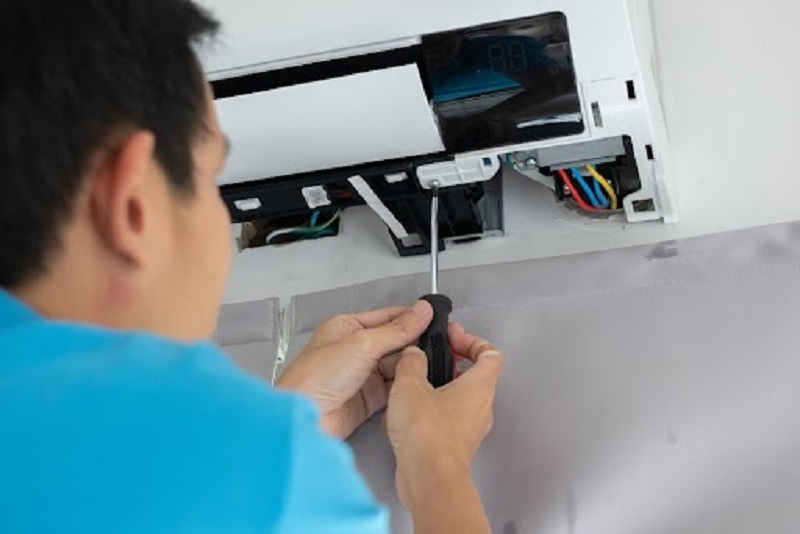
How to Identify Common Issues in Air Conditioning Unit
Is your aircon playing up again? Perhaps you’ve noticed strange sounds coming from the unit, or maybe the air just doesn’t feel as cool—or warm—as it should? You’re definitely not alone. Thousands of Australians deal with air conditioning problems every year, and knowing what to look for can save you both time and money. Air conditioning units are brilliant when they’re working properly, but they can be a real headache when something goes wrong. The good news is that many common issues are easy to spot if you know what signs to watch for. From unusual noises to water leaks, your unit often gives you clear warning signals before a small problem becomes a major breakdown.
In this guide, we’ll walk you through everything you need to know about identifying common aircon problems. You’ll learn how to recognise the telltale signs that something’s not quite right, understand why your air con might not be heating properly, and discover some handy troubleshooting tips—including brand-specific advice for Fujitsu and Mitsubishi units. By the end, you’ll feel confident tackling basic diagnostics and knowing exactly when it’s time to call in the professionals.
Common Signs Your Air Conditioner Is Not Working Properly
When your air conditioner stops working as expected, it usually gives you some pretty obvious clues. Learning to recognise these warning signs early can prevent costly repairs down the track.
Strange Noises and What They Mean
Your aircon shouldn’t sound like a percussion section. If you’re hearing grinding, squealing, or rattling noises, something’s up. Grinding often points to motor bearing issues, while squealing might indicate a worn belt. Rattling sounds? That’s usually loose components or debris caught in the unit. Don’t ignore these sounds—they rarely fix themselves.
Unusual Smells Coming From Your Unit
A musty smell typically signals mould or mildew growth inside the unit, often caused by moisture buildup. Burning odours are more serious and could indicate electrical problems or overheating components. If you notice a burning smell, switch off your unit immediately and get it checked out.
Weak Airflow or No Air at All
When your air conditioning unit is not working efficiently, weak airflow is often the culprit. This could be down to blocked filters, ductwork issues, or a failing compressor. If there’s no airflow whatsoever, the problem might be more serious—potentially a blower motor failure or severe blockage.
Water Leaks and Moisture Problems
Finding water pooling around your indoor unit is never a good sign. Leaks typically occur when the condensate drain line becomes clogged or the drain pan is damaged. In some cases, low refrigerant levels can cause the evaporator coil to freeze, leading to excess moisture when it thaws.
Air Con Not Heating? Here’s What to Check First
One of the most common complaints during cooler months is when the aircon is not heating properly. Before panicking, there are several things worth investigating.
Why Is My Air Conditioner Not Heating the Room?
When your air conditioning is not heating effectively, the problem often lies in one of a few key areas. The unit might not be in heating mode, the refrigerant levels could be low, or airflow restrictions might be preventing proper heat distribution. Understanding these basics helps narrow down the issue quickly.
Thermostat and Settings Issues
It sounds obvious, but double-check your settings first. Make sure your unit is actually set to heating mode and that the target temperature is higher than the current room temperature. Remote control batteries dying at inconvenient times is surprisingly common, so check those too.
Refrigerant Problems Affecting Heating Mode
Your air conditioner relies on refrigerant to transfer heat. If levels are low due to a leak, your unit won’t heat—or cool—effectively. Signs include the unit running constantly without reaching the desired temperature, ice forming on the coils, or higher-than-normal energy bills.
Blocked or Dirty Filters Reducing Efficiency
Dirty filters are the number one cause of air con not heating issues. When filters are clogged with dust and debris, airflow becomes restricted, forcing the unit to work harder while delivering poor results. Cleaning or replacing filters every few months makes a huge difference.
Aircon Troubleshooting: A Step-by-Step Guide
When your air con stopped working unexpectedly, don’t stress. There are several basic checks you can do before calling a technician.
Basic Checks When Your Air Con Stopped Working
Start with the obvious stuff. Is the unit plugged in? Is the power switch on? Check that nothing’s blocking the vents and that all air returns are clear. Sometimes the simplest explanations are the right ones. Also, examine the outdoor unit—make sure it’s not obstructed by vegetation or debris.
How Do I Reset My Air Conditioning Unit?
A quick reset often clears minor glitches. Switch off the unit at the controller, then turn it off at the isolator switch (usually located near the outdoor unit). Wait about five minutes, then turn everything back on. This simple process can resolve many temporary issues.
When to Check Your Circuit Breaker
If your aircon is not working at all, the circuit breaker might have tripped. Head to your switchboard and look for any switches that have flipped to the off position. Reset it and see if that solves the problem. If the breaker keeps tripping, however, you’ve got an electrical issue that needs professional attention.
Brand-Specific Troubleshooting Tips
Different brands have their own quirks and common issues. Here’s what to know about some popular models.
Fujitsu Air Conditioning Troubleshooting
Fujitsu units are reliable, but they do have some common problems. Error codes displayed on the unit can help identify issues—check your manual for code meanings. Common Fujitsu problems include sensor faults, communication errors between indoor and outdoor units, and frozen coils. Regular filter cleaning is particularly important for Fujitsu models.
Mitsubishi Air Conditioner Troubleshooting and Repair
Mitsubishi units are known for their durability, but issues can still arise. If you’re troubleshooting a Mitsubishi air conditioner, pay attention to flashing indicator lights—these communicate specific error codes. Common problems include drain pump failures, sensor issues, and compressor faults. Always check the filters first, as Mitsubishi units are particularly sensitive to airflow restrictions.
Mitsubishi Split Air Conditioner Troubleshooting
Split systems have specific considerations. For Mitsubishi split air conditioner troubleshooting, examine both the indoor and outdoor units. Check that the connecting pipes aren’t damaged and that the outdoor unit fan is spinning freely. Unusual noises from split systems often indicate issues with the fan motor or compressor.
Air Conditioning Diagnosis: Identifying the Root Cause
Proper air conditioning diagnosis helps you understand what’s actually going wrong with your system.
How Do I Diagnose My AC Problem?
Start by noting all the symptoms. Is the unit making noise? What kind? Is it blowing air but not cooling or heating? Is it leaking water? Write everything down. This information helps you—or a technician—pinpoint the problem more quickly.
Air Conditioner Diagnostics You Can Do at Home
You don’t need fancy equipment for basic air conditioner diagnostics. Check the thermostat settings, inspect filters, examine the outdoor unit for debris, and listen for unusual sounds. Feel the air coming from vents—is it the right temperature? Look for ice buildup on coils or visible refrigerant leaks.
Warning Signs That Require Professional Attention
Some issues are beyond DIY fixes. Refrigerant leaks need professional repair. Electrical problems should never be tackled without proper training. If your unit keeps tripping the breaker, makes burning smells, or shows error codes you can’t resolve, it’s time to call the experts.
Preventative Maintenance to Avoid Common Aircon Problems
Prevention is always better than cure when it comes to your air conditioning system.
How Often Should You Service Your Air Conditioner?
Professional servicing at least once a year is recommended. If you use your unit heavily, twice-yearly servicing is even better. Regular maintenance catches small problems before they become expensive repairs and keeps your unit running efficiently.
Simple Maintenance Tasks for Homeowners
Between professional services, there’s plenty you can do. Clean or replace filters monthly during heavy use. Keep the area around your outdoor unit clear. Wipe down vents and returns to prevent dust buildup. Check that condensate drains are flowing freely.
When to Call a Professional for Air Conditioning Troubleshooting
While basic air conditioning troubleshooting is manageable, some situations need expert help. Call a professional if you notice refrigerant leaks, persistent error codes, electrical issues, or if your unit isn’t responding to basic troubleshooting. Strange burning smells, frequent cycling, or unusually high energy bills also warrant professional attention.
Keeping Your Air Conditioner Running Smoothly
By now, you should feel much more confident about identifying common issues with your air conditioning unit. From recognising warning signs like strange noises and unusual smells to understanding why your air con might not be heating properly, you’ve got the knowledge to tackle basic troubleshooting.
Remember, regular maintenance is your best defence against unexpected breakdowns. Clean those filters, keep your outdoor unit clear, and don’t ignore warning signs when they appear. A little attention now saves a lot of hassle later.
Most importantly, know your limits. Basic checks and maintenance are absolutely within reach for most homeowners, but when things get complicated—especially with electrical issues or refrigerant problems—calling in a qualified technician for air conditioning repair is always the smart move. Your aircon works hard to keep you comfortable; a bit of care and attention helps it do that job for years to come.
For more information avalabler at https://homeimprovementwow.com/




1 comment on “How to Identify Common Issues in Air Conditioning Unit”