
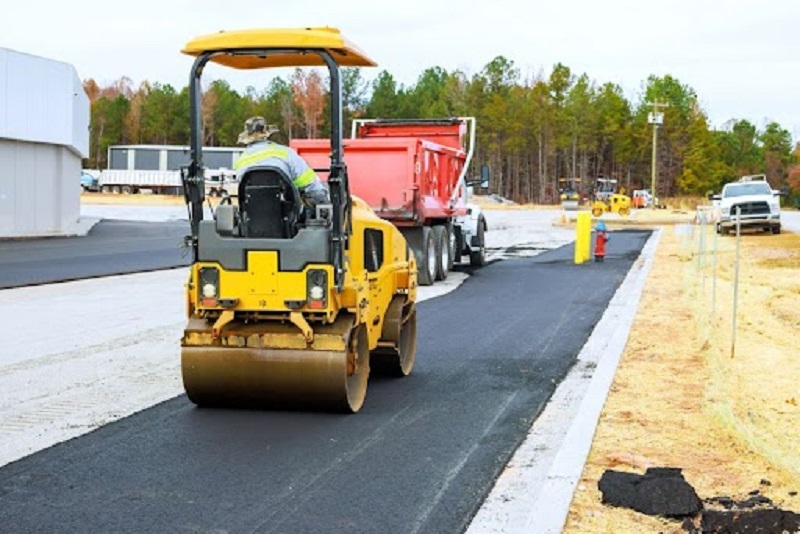
Why Asphalt Contractors are Essential for Quality Road Construction
Have you ever wondered what goes into building the roads you drive on every day? What makes some roads smooth and long-lasting while others seem to fall apart within years? And why do professional asphalt contractors matter so much when it comes to quality road construction?
Australia’s road network spans over 900,000 kilometres, connecting communities from bustling city centres to remote outback towns. This vast infrastructure doesn’t just happen by chance. Behind every well-constructed asphalt road lies the expertise of skilled contractors who understand the science and art of road paving. These professionals ensure our roads can handle everything from scorching summer heat to heavy rainfall, all while supporting millions of vehicles each year.
In this article, we’ll explore why asphalt contractors play such a vital role in road construction across Australia. You’ll discover the road paving process, learn about the 5 uses of asphalt beyond standard roads, and understand the ongoing debate of asphalt road vs concrete road. We’ll also look at why a paved road beats unsealed alternatives and what proper asphalt paving and maintenance involves. By the end, you’ll have a clear picture of what to look for when hiring professionals for your next project.
What is Asphalting of Roads and Why Does it Matter?
Understanding the Road Paving Process
The asphalting of roads is far more complex than simply spreading black material over the ground. Road paving involves multiple carefully planned stages that determine how well the finished surface will perform. It all starts with site preparation, where contractors assess the ground conditions, clear debris, and establish proper drainage.
Next comes the base layer installation. This foundation is crucial because it provides structural support for everything above it. Professional contractors compact crushed rock or gravel to create a stable platform. Without this step done properly, even the best asphalt surface will crack and deteriorate quickly.
The final stage involves laying the actual asphalt mixture. This hot mix of bitumen and aggregate must be spread evenly and compacted at precise temperatures. Get this wrong, and you’ll end up with an uneven surface prone to water pooling and premature wear. The entire process requires specialised equipment and trained operators who understand the technical requirements.
The Role of Professional Asphalt Contractors in Quality Outcomes
Professional asphalt contractors bring more than just machinery to the job. They deliver years of industry experience, technical knowledge, and problem-solving skills that directly impact the finished product’s quality. These experts understand how different aggregate combinations perform in various conditions.
Contractors also manage quality control throughout the project. They monitor temperatures, compaction levels, and layer thickness to ensure specifications are met. This attention to detail prevents costly repairs down the track and extends the road’s lifespan significantly. Simply put, cutting corners on contractor selection often leads to expensive consequences later.
5 Uses of Asphalt Beyond Standard Road Construction
Residential Driveways and Private Access Roads
Asphalt isn’t just for public highways. Many Australian homeowners choose it for residential driveways because it offers a clean, professional appearance at a reasonable cost. The smooth surface makes parking easier and adds kerb appeal to any property.
Commercial Car Parks and Industrial Surfaces
Shopping centres, warehouses, and factories rely heavily on asphalt for their parking areas and loading zones. The material handles heavy vehicle traffic brilliantly and can be repaired quickly to minimise business disruption.
Airport Runways and Taxiways
Major airports across Australia use asphalt for runways and taxiways. Its flexibility helps absorb the impact of aircraft landings, while its dark colour aids with snow and ice melting in cooler regions.
Sporting Facilities and Recreational Paths
Tennis courts, running tracks, and cycling paths often feature asphalt surfaces. The material provides consistent performance and can be customised with different finishes and colours.
Asphalt Over Existing Surfaces: Resurfacing Solutions
One brilliant advantage is laying asphalt over existing damaged surfaces. This resurfacing approach saves time and money compared to complete reconstruction, making it popular for budget-conscious projects.
Asphalt Road vs Concrete Road: Which is Better for Australian Conditions?
Cost Comparison: Concrete vs Asphalt Roads
When comparing concrete vs asphalt roads, the initial price difference is significant. Asphalt typically costs 30-40% less to install than concrete. This makes it particularly attractive for large-scale projects where budgets are tight.
However, the full picture requires considering long-term expenses. While concrete has higher upfront costs, it may require less frequent major repairs. That said, asphalt repairs are generally cheaper and faster to complete when needed.
Durability and Lifespan Considerations
Both materials offer excellent durability when installed correctly. Asphalt roads typically last 15-20 years before requiring major resurfacing, while concrete can exceed 30 years. The choice often depends on expected traffic volumes and available maintenance budgets.
Climate Suitability Across Australian Regions
Australia’s diverse climate creates unique challenges for road surfaces. Asphalt performs particularly well in areas with temperature fluctuations because it flexes rather than cracks. This flexibility makes it ideal for regions experiencing both hot summers and cooler winters.
In extremely hot areas like outback Queensland, special asphalt formulations resist softening and rutting. Concrete, meanwhile, can suffer from thermal expansion issues in such conditions.
Maintenance Requirements: Asphalt vs Concrete Roads
Asphalt vs concrete roads differ significantly in maintenance needs. Asphalt requires regular seal coating and occasional patching, but these tasks are straightforward and affordable. Concrete repairs, while less frequent, tend to be more complex and costly.
Why Choose a Paved Road Over Unsealed Alternatives?
Safety Benefits of Asphalt Roads
A paved road dramatically improves safety for all users. Asphalt roads provide consistent grip in wet and dry conditions, reducing accident risks. The smooth surface also allows for clearer line markings, better visibility at night, and improved stopping distances.
Unsealed roads create dust clouds that impair visibility and contribute to respiratory issues. They’re also prone to corrugation and potholes that can damage vehicles or cause drivers to lose control.
Long-Term Value and Reduced Vehicle Wear
While sealing a road requires upfront investment, the long-term savings are substantial. Vehicles travelling on asphalt roads experience less wear on tyres, suspension, and bodywork. This translates to lower maintenance costs for both private motorists and commercial fleet operators.
Paved surfaces also reduce fuel consumption compared to unsealed alternatives. The smoother ride means vehicles use less energy, benefiting both wallets and the environment.
The Importance of Professional Asphalt Paving and Maintenance
What Does Proper Asphalt Maintenance Involve?
Effective asphalt paving and maintenance goes beyond occasional pothole repairs. It includes regular inspections, crack sealing, seal coating, and drainage management. These preventive measures extend the surface’s life and reduce overall costs.
Seal coating protects against UV damage and water penetration—two major causes of deterioration. Most experts recommend applying a seal coat every 3-5 years, depending on traffic levels and climate conditions.
How Often Should Asphalt Roads Be Resurfaced?
Resurfacing frequency depends on several factors, including traffic volume, weather exposure, and original construction quality. Generally, busy roads need attention every 10-15 years, while residential streets may last 20 years or more.
Regular maintenance can significantly extend these timelines. Roads that receive consistent care often outperform neglected surfaces by many years.
Signs Your Asphalt Road Needs Professional Attention
Watch for warning signs like spreading cracks, water pooling, or significant fading. Alligator cracking—patterns resembling reptile skin—indicates structural problems requiring urgent attention. Catching issues early prevents small problems from becoming major repair projects.
What to Look for When Hiring an Asphalt Contractor
Qualifications and Industry Experience
Always verify that potential contractors hold appropriate licences and insurance. Ask about their experience with projects similar to yours and request references from recent clients. Reputable contractors happily provide this information.
Look for membership in industry associations, which indicates commitment to professional standards. Experience with local conditions is particularly valuable—contractors familiar with your region understand the specific challenges involved.
Equipment and Material Quality Standards
Quality contractors invest in modern, well-maintained equipment. Ask about their machinery and whether they own or hire it. Companies with their own equipment typically offer more reliable scheduling and consistent results.
Enquire about material sources too. The best contractors use high-quality aggregates and bitumen from reputable suppliers. They’ll explain their material choices and why they suit your specific project needs.
Investing in Quality Road Paving for Lasting Results
Throughout this article, we’ve explored why professional asphalt contractors are essential for quality road construction. From understanding the technical complexities of road paving to recognising the 5 uses of asphalt across different applications, it’s clear this industry demands expertise and dedication.
The debate around asphalt road vs concrete road ultimately comes down to specific project requirements, budget constraints, and local conditions. Both materials have their place in Australia’s road network. What matters most is ensuring qualified professionals handle the installation and ongoing maintenance.
Whether you’re planning a new residential driveway, commercial car park, or major infrastructure project, investing in experienced asphalt contractors pays dividends for years to come. Take time to research your options, ask the right questions, and choose partners who demonstrate genuine commitment to quality outcomes. Your roads—and everyone who uses them—deserve nothing less.